

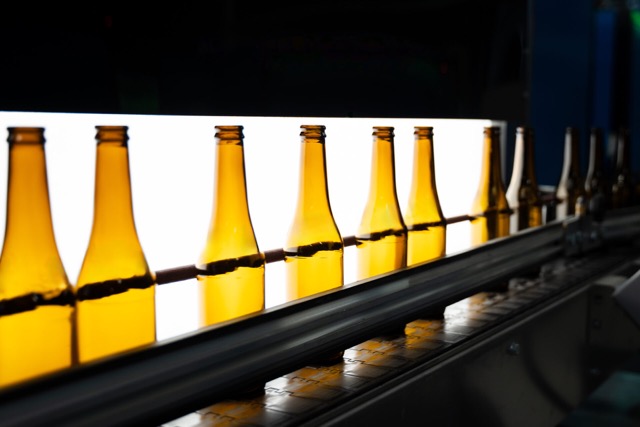
For decades, the spirits and wine industry operated under a heavy assumption: the heavier the bottle, the more premium the product. Thick glass bases (punts) and substantial weight were the industry shorthand for luxury, particularly in the whiskey and cognac sectors.
However, as we look toward 2026 glass packaging trends, that narrative is shifting fundamentally. Driven by strict environmental regulations like the EU Packaging and Packaging Waste Regulation (PPWR), rising logistics costs, and a more eco-conscious consumer base, the industry is entering a new era.
The challenge for distilleries and wineries today is distinct: How do you maintain a premium feel while embracing sustainability? Here is an in-depth look at the trends shaping spirits and wine packaging in 2026.
1.The Era of “Right-Weighting” and NNPB Technology
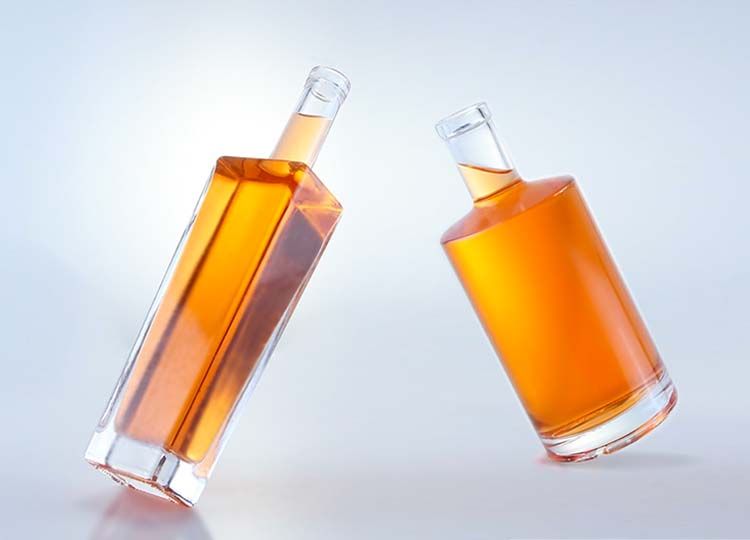
The most significant trend for 2026 is the move away from “heavy metal” glass. Brands are aiming to reduce glass weight by 20–30% without sacrificing the silhouette. This is not just about making bottles thinner; it is about “Right-Weighting.”
The Role of NNPB Technology
The shift is enabled by Narrow Neck Press and Blow (NNPB) technology. Unlike traditional “Blow-Blow” methods, which often result in uneven wall thickness, NNPB allows for precise, uniform glass distribution.
This means a 700ml spirit bottle that used to weigh 750g can now be engineered to weigh 500g while maintaining the same vertical load resistance and impact strength.
The Carbon & Cost Argument
For export brands, this is a financial imperative. Lighter bottles mean more units per shipping container and lower fuel consumption. According to the European Container Glass Federation (FEVE), reducing bottle weight significantly cuts CO2 emissions during production.
2.Premiumization Through Texture (Haptic Marketing)
If brands can no longer rely on sheer weight to convey luxury, they must pivot to Haptic Marketing—engaging the consumer’s sense of touch.
In 2026, we are seeing a surge in custom molds that utilize the glass surface itself as a canvas:
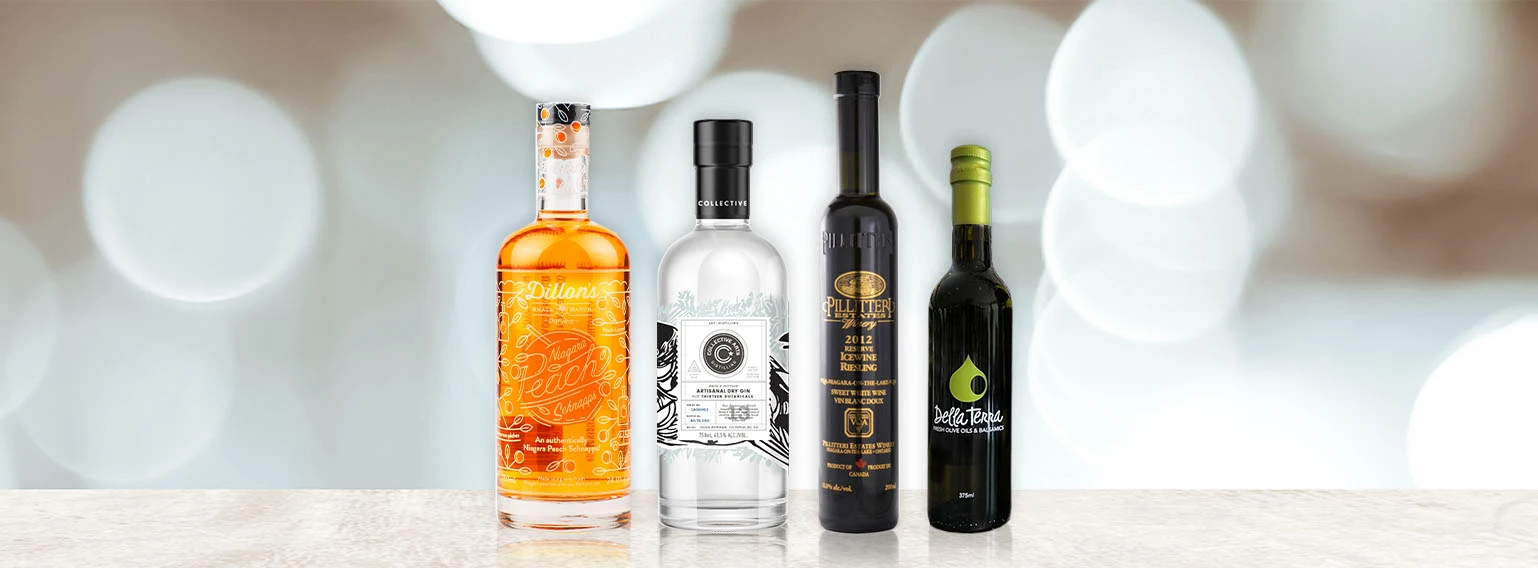
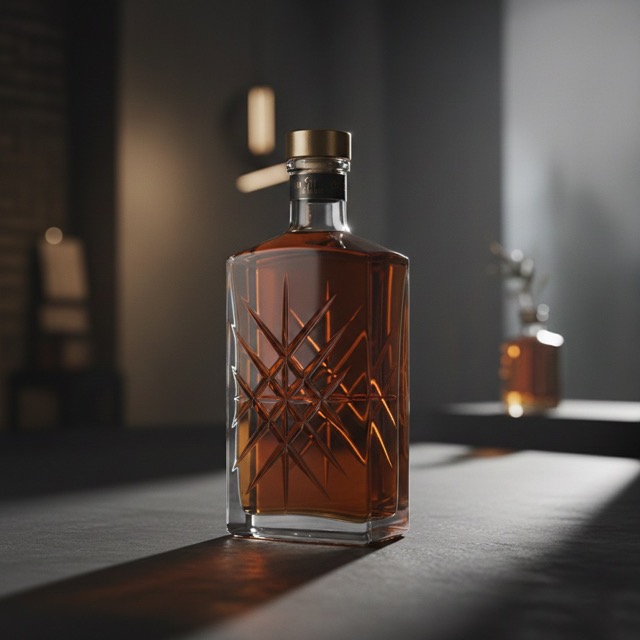
- Intricate Embossing: Using deep embossing and debossing to add tactile elements—logos, botanical patterns, or geometric shapes directly on the glass.
- Optical Effects: Utilizing fluting or faceting to catch light, making clear spirits (like Gin or Vodka) sparkle without foil labels.
A bottle that feels interesting in the hand communicates “craftsmanship” effectively, regardless of weight.
3.The Rise of “Wild Glass” and High-PCR Content
Perfectly clear, flawless flint glass was once the only standard. However, the aesthetic of “Wild Glass”—glass with high Post-Consumer Recycled (PCR) content—is trending upward.
Brands are now embracing slight imperfections such as subtle color variations (green/blue tints) or micro-bubbles. Rather than hiding these, brands market them as proof of sustainability. This aligns with global initiatives like Close the Glass Loop, signaling an active role in the circular economy.
4.The “Milk Bottle Model”: Returnable Systems
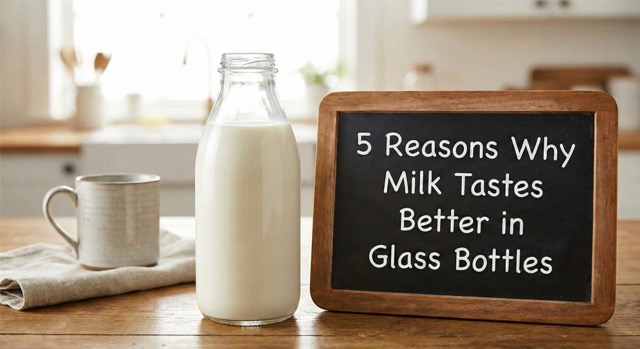
Drawing inspiration from the resurgence of the returnable glass milk bottle, the spirits and wine sectors are beginning to test circular models in local markets.
- Standardized Shapes: Using a common bottle ecosystem allows different brands to share collection and washing infrastructure.
- Durability over Weight: These bottles are designed with reinforced contact points (scuff bands) to withstand 20+ wash cycles.
5.Smart Packaging and Minimalist Labelling
As digital labeling regulations (e-labels) come into force, the physical label is shrinking. 2026 packaging trends favor minimalism.
- Direct-to-Glass Digital: Laser marking or screen printing QR codes directly onto the glass.
- Connected Experience: A quick scan provides nutritional info and brand story, removing cluttered back labels.
Conclusion
The glass packaging trends of 2026 are not about choosing between luxury and sustainability—they are about fusing them. The future lies in smart engineering: reducing weight to save the planet, while increasing design detail to delight the consumer.
FAQ 【Common Questions】
Q: Does lightweight glass affect the safety of the bottle?
A: Generally, no. Modern manufacturing techniques like NNPB ensure that lightweight bottles maintain structural integrity and pressure resistance.
Q: Is “Wild Glass” cheaper than pure flint glass?
A: It depends. While melting recycled glass (cullet) uses less energy, the primary value lies in sustainability marketing and potential carbon tax reductions.
Q: Can I customize a lightweight bottle with embossing?
A: Yes. Custom embossing is highly recommended to add premium value to lighter bottles.
Ready to future-proof your packaging?
At [valiant glass], we specialize in balancing premium aesthetics with sustainable innovation. [Contact our design team today] to request samples of our latest lightweight luxury bottles.