

Future Production Trend of Glass Bottles
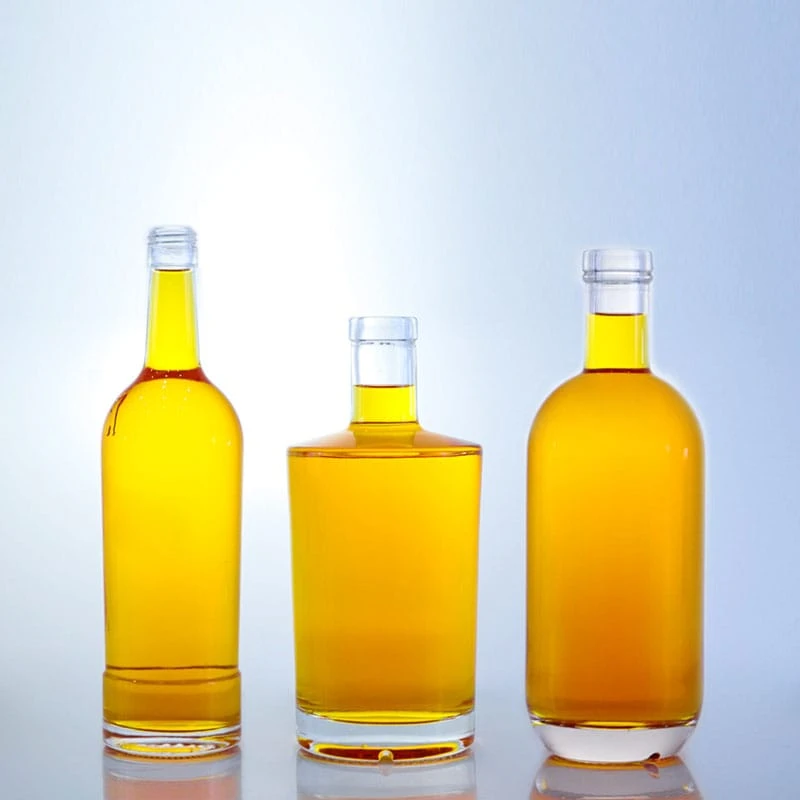
Glass bottles remain one of the most trusted and sustainable packaging solutions across the world. With increasing demand for eco-friendly materials and efficient manufacturing processes, the glass packaging industry is rapidly evolving. Below, we explore the key future production trends shaping the glass bottle market.
1. Bottle and Can Lightweighting
Lightweight bottles have become a major focus for global glass manufacturers. By reducing the weight of bottles and cans while maintaining strength, companies can significantly cut down on raw material usage and transportation costs.
This innovation is made possible through:
- Precise raw material control
- Advanced melting process management
- Narrow neck press-and-blow (NNPB) technology
- Cold and hot end spraying
- On-line inspection and quality monitoring
These advanced technologies ensure that glass containers meet safety and durability standards, while minimizing environmental impact.
According to the European Container Glass Federation (FEVE), lightweighting has reduced the average bottle weight in Europe by over 30% in the past 20 years [FEVE Report].
2. Adoption of Energy-Saving Technologies
Energy efficiency is at the core of modern glass production. One of the most effective ways to save energy, improve melting quality, and extend kiln lifespan is increasing the proportion of recycled cullet (broken glass) in the batch.
- Many European manufacturers now add 60%–70% cullet into production.
- The ideal scenario is up to 90% recycled glass, which helps achieve truly ecological glass manufacturing.
The U.S. Environmental Protection Agency (EPA) highlights that using recycled glass can cut related energy use by 20–30% [EPA Source].
3. Industry Consolidation and Higher Production Concentration
The global glass packaging sector faces strong competition from alternative materials such as plastics and metals. To stay competitive, many glass producers are merging and reorganizing to:
- Increase production concentration
- Optimize resource allocation
- Improve economies of scale
- Reduce disorderly market competition
- Enhance industry-wide development capacity
This consolidation trend mirrors what has happened in other mature packaging industries and is expected to strengthen the global competitiveness of glass manufacturers.
4. Improving Labor Productivity with Advanced Machinery
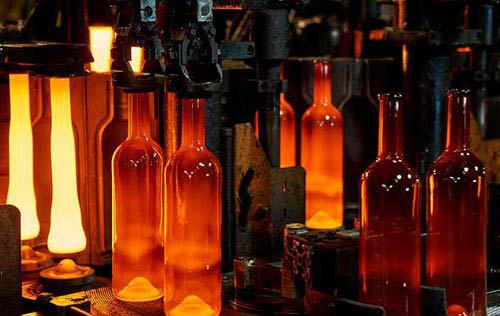
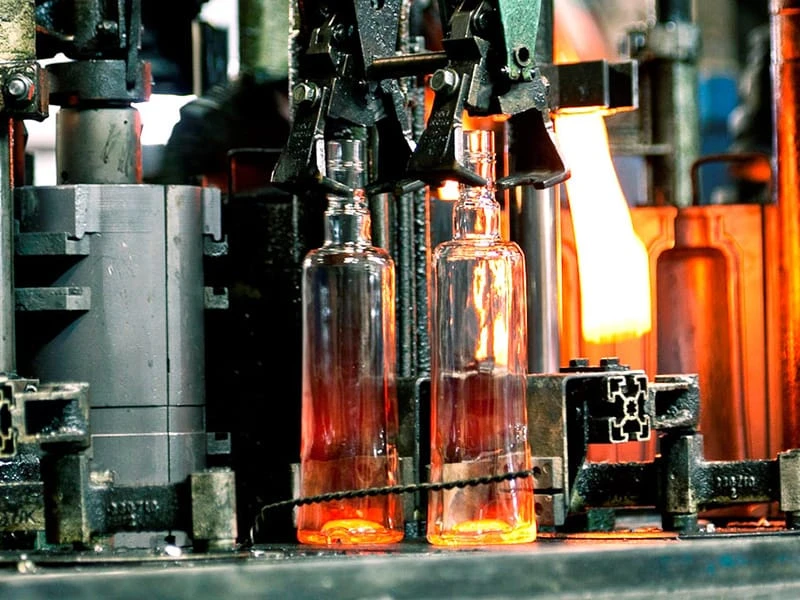
The key to higher productivity lies in faster forming speeds. Leading manufacturers are investing in:
- Multi-group, multi-drop forming machines
- Large-scale kilns with stable, high-quality glass output
- Digital kiln control systems for optimized thermal management
Additionally, standardized raw materials supplied by specialized vendors ensure consistent quality and help maintain the best forming conditions. This combination of advanced machinery and precise process control allows producers to increase efficiency without compromising on quality.
Conclusion
The future of glass bottle production will be defined by lightweighting, energy efficiency, industry consolidation, and advanced automation. Manufacturers who adopt these trends will not only lower production costs but also meet the growing demand for sustainable packaging solutions.
Glass packaging continues to stand out as a premium, recyclable, and environmentally friendly option for global brands. With technological progress, the industry is moving closer to a future where glass production is both highly efficient and fully ecological.