


Vodka Bottle Design Trends and Environmental Advantages
With increasing consumer awareness of sustainability and brand value, the design and environmental attributes of vodka bottles have become crucial components of brand competitiveness. This article will delve into vodka bottle design trends, environmental benefits, and industry best practices, providing a comprehensive reference for alcoholic beverage brands and consumers.
Vodka Bottle Design Trends
1. Customized Bottle Shapes and Brand Image Building
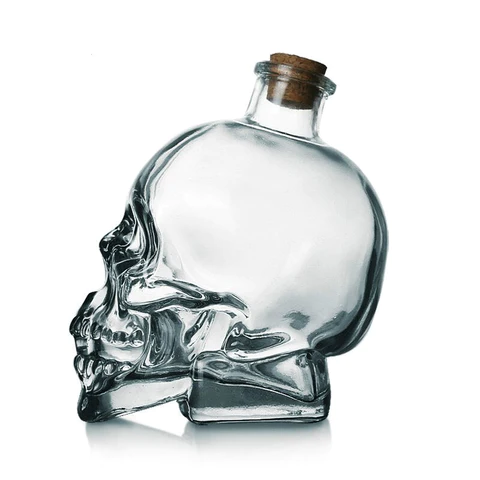
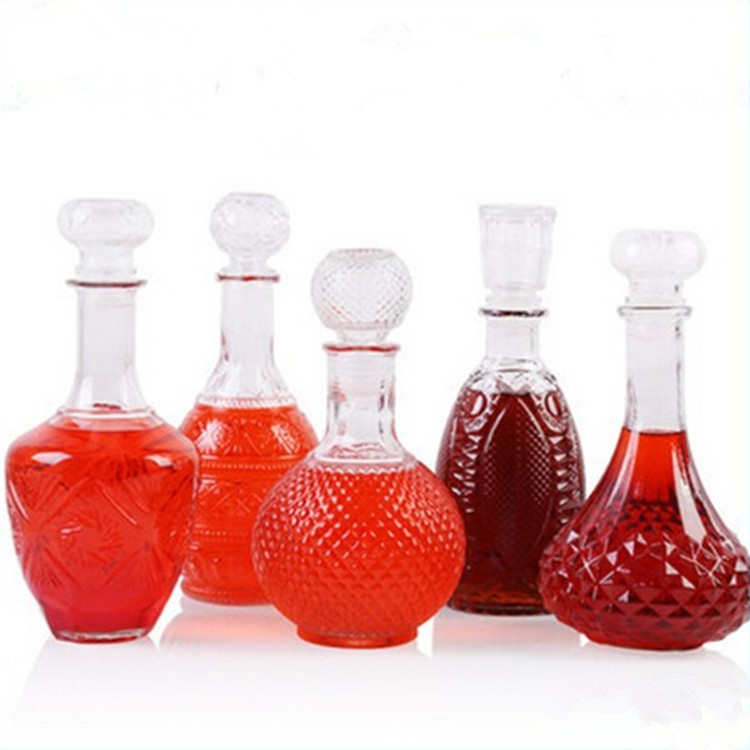
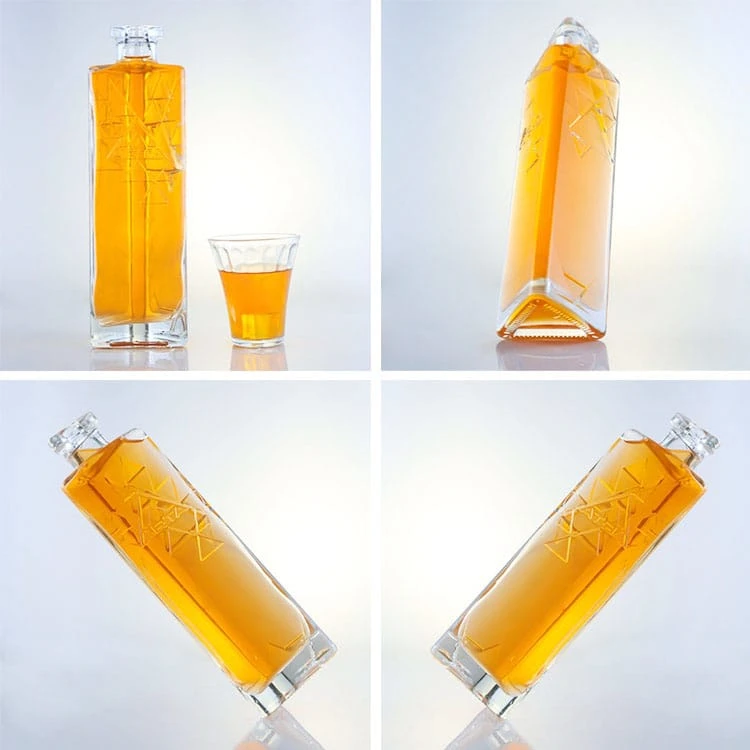
High-end vodka brands are increasingly focusing on unique and personalized bottle designs. Unique bottle shapes not only enhance visual impact but also increase collectible value, satisfying consumers’ demand for personalized products.
2. Intelligent and Functional Design
Smart bottle designs are on the rise, featuring built-in temperature displays and capacity monitoring, enhancing the consumer experience while drinking vodka. These innovative designs not only enhance the user experience but also become a key means of brand differentiation.
3. Innovative Packaging Materials
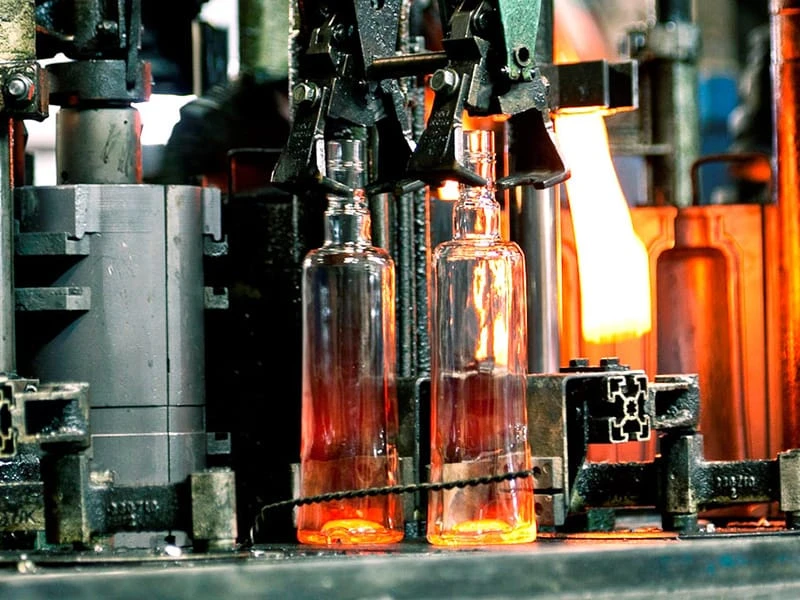
Some brands are experimenting with composite materials or lightweight glass to further reduce packaging weight while maintaining durability and safety.
Environmental Advantages of Vodka Bottles
1. High Recyclability and Reuse
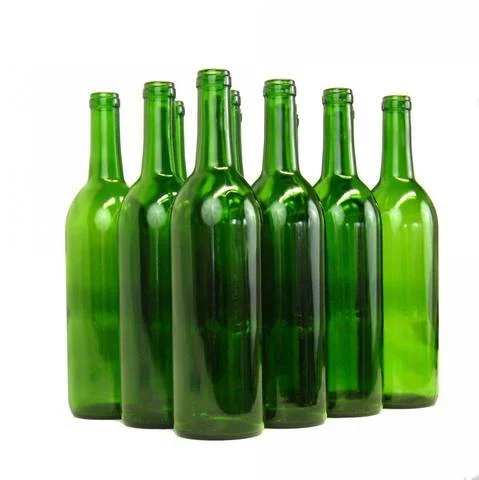
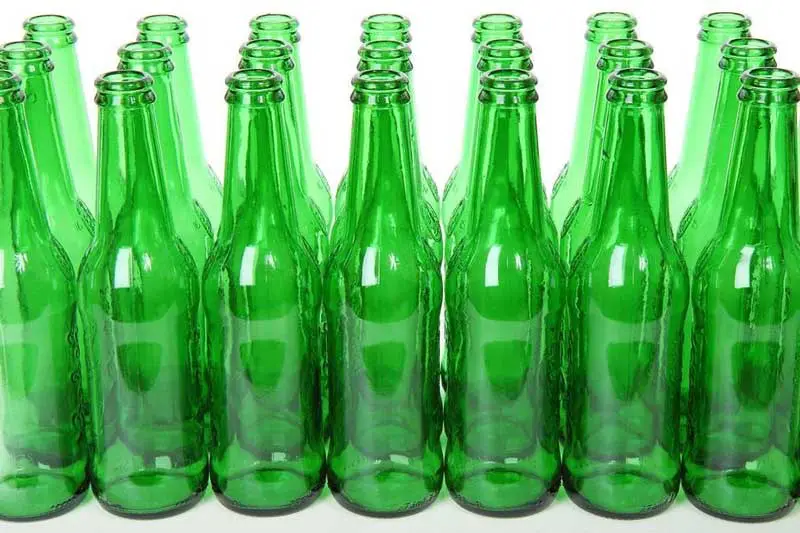
Glass vodka bottles are highly recyclable and can be melted down repeatedly to create new bottles, reducing the consumption of raw materials in production. According to the International Glass Association, the recycling rate for glass can reach over 70%, helping to reduce carbon emissions.
2. Reduced Carbon Footprint
Lightweight glass bottle designs not only reduce shipping weight but also reduce carbon emissions during logistics. Many brands achieve lightweighting without compromising bottle strength by optimizing bottle thickness and design structure.
3. Enhanced Brand Environmental Image
Environmentally friendly packaging is a key concern for modern consumers. Using recyclable glass bottles can enhance a brand’s social responsibility image and attract environmentally conscious consumers.
Industry Best Practices and Brand Case Studies
1. Absolut Vodka’s Environmental Commitment
Absolut Vodka is committed to sustainability. Its glass bottles are made from over 41% recycled glass and have been tested by the Swedish Glass Recycling Company (SGÅ) to ensure that the bottle design does not hinder glass recycling. Read more on The Absolut Group.
2. Smirnoff’s Recycling Initiative
Smirnoff has partnered with the “Don’t Trash Glass” initiative to encourage consumers to properly recycle their vodka bottles. The program, which operates in over 300 restaurants and bars in the Chicago area, collects discarded vodka bottles and sends them to Smirnoff’s packaging facility for recycling. Read more on Diageo Official Site.
How to Choose a High-Quality Vodka Bottle
- Bottle Thickness and Clarity: High-quality glass bottles should be thick and transparent, avoiding color shifts and air bubbles.
- Bottle Finish and Stopper: Choose a polymer stopper or screw cap with a good seal to prevent the liquor from evaporating or oxidizing.
- Design and Brand Match: The bottle shape should align with the brand’s positioning. For high-end products, custom bottle designs are available.
- Environmental Performance: Recyclable or lightweight bottles are preferred to reduce environmental impact.
Conclusion
A vodka bottle is more than just a packaging container; it embodies the brand image, consumer experience, and environmental values. High-end brands are enhancing product value through unique designs and sustainable materials while also embracing modern consumer trends. Choosing the right vodka bottle is crucial for every alcohol brand, as it protects the quality of the drink while demonstrating brand responsibility.