

Choosing the right wine bottle & glass combination is not simply a matter of aesthetics. For wineries, distributors, and brand owners, it is a technical and strategic decision that directly affects wine preservation, sensory performance, logistics, and long-term brand perception.
From the moment wine leaves the cellar to the instant it reaches the consumer’s palate, glass plays a critical role. At Vitglassbottle (Valiant Glass), we work at the manufacturing level of this process—designing, producing, and customizing glass packaging solutions that serve both functional and branding purposes for wine producers worldwide.
1. Why Wine Bottle & Glass Selection Matters More Than Ever
In today’s competitive global wine market, packaging is no longer secondary. The wine bottle & glass used for a product influences:
Chemical stability during storage and aging
Protection from light and oxygen exposure
Pouring behavior and sediment control
Aroma release and flavor perception
Shelf impact and perceived value
For professional buyers, these factors translate directly into reduced spoilage risk, consistent quality, and stronger market positioning.
From a manufacturer’s perspective, glass is not a passive container—it is an active component in wine performance.
2. The Science Behind Wine and Glass Interaction
Wine is sensitive to its environment. Even after bottling, it continues to evolve through slow chemical reactions influenced by oxygen, temperature, and light.
Oxygen Control
Glass bottles provide a controlled barrier, allowing only minimal oxygen transfer through the closure. Bottle shape, neck design, and finish compatibility all influence this balance.
Light Protection
Ultraviolet (UV) exposure can cause premature aging and off-flavors. This is why darker glass colors—such as antique green and amber—are widely used for quality wines.
Structural Stability
Especially for sparkling wines, glass thickness and base design (punt depth) are essential for withstanding internal pressure over time.
The correct wine bottle & glass solution protects wine integrity long before it reaches the tasting glass.
3. Popular Wine Bottle Shapes and Their Practical Functions
Wine bottle shapes originated from regional production needs and available glassmaking technology. Today, they serve both functional and marketing roles.
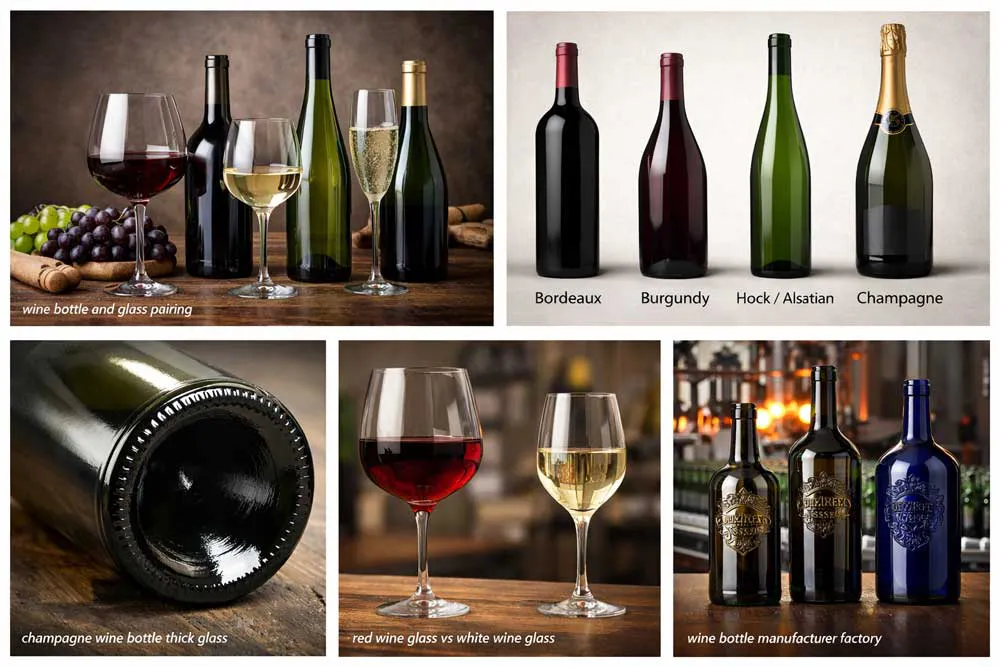
| Bottle Shape | Common Wine Types | Key Functional Benefits |
|---|---|---|
| Bordeaux Bottle | Cabernet Sauvignon, Merlot | High shoulders trap sediment, enabling cleaner pours. |
| Burgundy Bottle | Pinot Noir, Chardonnay | Wider body supports gentle aging and aromatic development. |
| Hock / Alsatian Bottle | Riesling, Gewürztraminer | Tall, slim profile emphasizes elegance and freshness. |
| Champagne Bottle | Sparkling Wine | Thick walls and deep punt resist internal pressure. |
For consumers, these shapes signal wine style. For producers, they ensure correct performance during storage and service.
4. Understanding Standard Wine Bottle Sizes
Bottle size affects far more than serving quantity. It also influences aging potential, logistics, and branding strategy.
Common Wine Bottle Volumes
187.5 ml (Split / Piccolo)
Ideal for airlines, hotels, and tasting formats.
375 ml (Half Bottle)
Popular for premium samplers and limited releases.
750 ml (Standard Bottle)
The global industry standard, typically yielding five glasses.
1.5 L (Magnum)
Preferred for aging red wines due to a lower oxygen-to-wine ratio.
3 L (Jeroboam)
Used for celebrations, display, and luxury positioning.
Larger formats often command higher perceived value and are increasingly used in premium wine packaging strategies.
5. Glass Color Choices and Their Impact on Wine Quality
Glass color is not purely decorative. It plays a measurable role in wine preservation.
Common Wine Bottle Glass Colors
Antique Green – Excellent UV protection; widely used for red wines
Amber – Maximum light protection; often used for natural and organic wines
Flint (Clear) – High visual appeal; suitable for quick-consumption wines
Cobalt Blue – Distinctive branding; used selectively for specialty products
At Vitglassbottle, custom glass color matching is available for brands seeking differentiation without compromising performance.
6. The Role of the Wine Glass in Sensory Experience
While bottles protect wine before opening, the wine glass defines how the wine is experienced by the consumer.
Red Wine Glass Design
Large bowl increases surface area
Promotes oxygen interaction
Softens tannins and enhances complexity
White Wine Glass Design
Smaller bowl maintains cooler temperature
Preserves acidity and floral aromas
Sparkling Wine Glass Design
Tall, narrow structure preserves carbonation
Directs bubbles upward, enhancing visual appeal
The synergy between wine bottle & glass ensures that the winemaker’s intent is fully realized at the point of consumption.
7. How Bottle Design Influences Pouring and Sediment Control
Bottle shoulders, neck length, and punt depth all affect pouring behavior.
High shoulders help retain sediment in aged red wines
Long necks provide controlled pouring
Deep punts add structural strength and balance
These features are particularly important for fine wines intended for long-term cellaring.
8. Wine Bottle Closures and Glass Compatibility
No wine bottle & glass system is complete without the right closure.
Common Closure Types
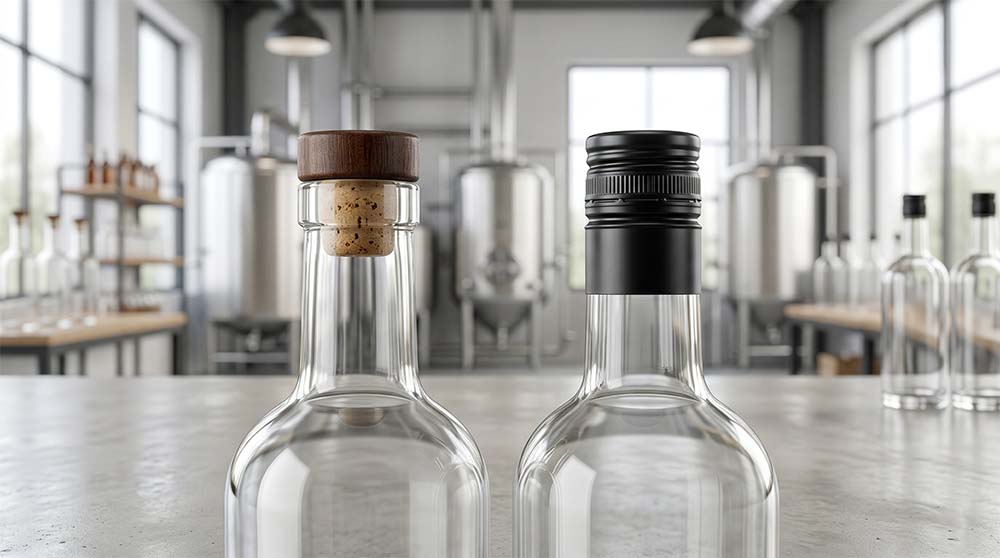
Natural Cork – Traditional, allows minimal oxygen transfer
Synthetic Cork – Consistent performance, lower TCA risk
Screw Cap – Excellent seal, favored for freshness-driven wines
Proper finish design ensures compatibility between bottle and closure, reducing leakage and spoilage risks.
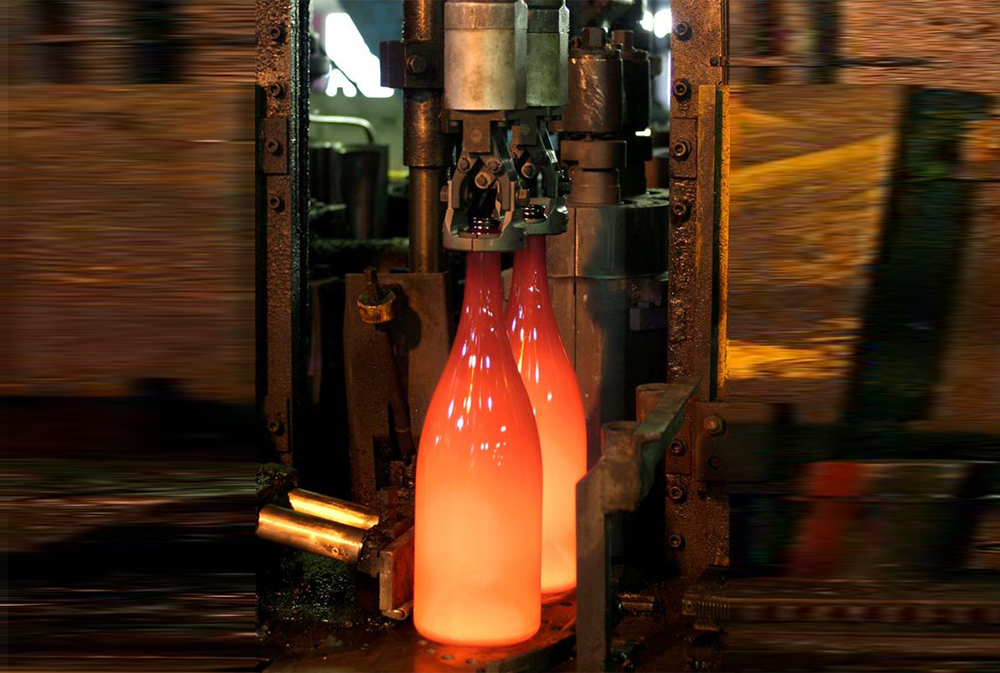
9. Vitglassbottle’s Manufacturing Expertise and EEAT Credentials
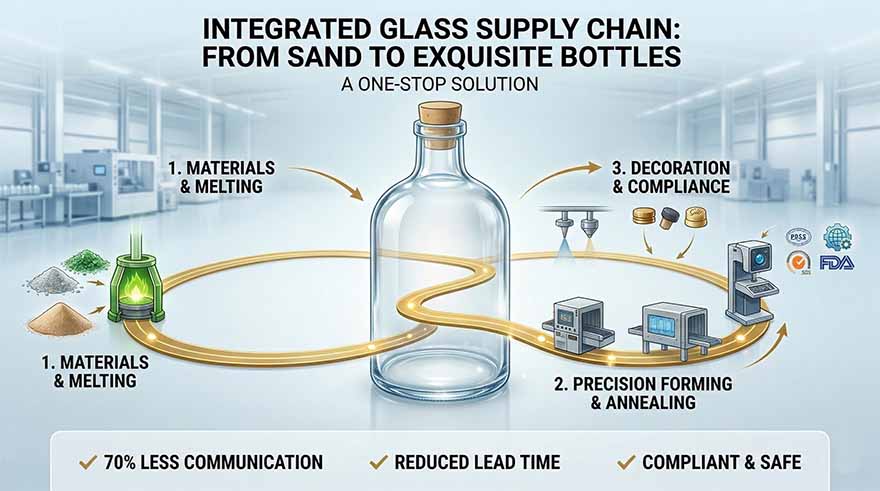
As a vertically integrated glass manufacturer, Vitglassbottle (Valiant Glass) offers capabilities beyond standard suppliers.
Our Manufacturing Strengths
In-house glass production lines
Independent mold manufacturing facilities
Dedicated decoration and finishing workshops
This structure enables strict quality control and compliance with international food-contact and packaging standards.
Global Experience
Serving customers in over 150 countries
Supplying bottles for wineries, distributors, and global brands
Long-term partnerships built on consistency and reliability
This real-world manufacturing experience forms the foundation of our authority in wine bottle & glass solutions.
10. Custom Wine Bottle & Glass Solutions for Branding
In competitive export markets, packaging is often the first interaction a consumer has with a wine brand.
Custom glass solutions allow producers to:
Reinforce brand identity
Differentiate on crowded shelves
Increase perceived product value
Customization Options Include:
Embossed logos and text
Engraved bottle shoulders or bases
Frosted or matte finishes
Unique punt and bottle profiles
With over 3,000 existing molds, Vitglassbottle supports both cost-effective standard solutions and fully custom designs.
11. Sustainability and Glass as a Responsible Packaging Choice
Glass is one of the most sustainable packaging materials available.
100% recyclable without loss of quality
Chemically inert and food-safe
Compatible with circular economy goals
Many wine brands choose glass not only for performance but also to align with environmental responsibility and consumer expectations.
12. Wine Bottle & Glass as a Strategic Business Decision
For wineries and brand owners, choosing the right wine bottle & glass solution impacts:
Product quality consistency
Transportation efficiency
Regulatory compliance
Long-term brand equity
Glass packaging should be viewed as an investment rather than a cost.
13. Common Mistakes When Selecting Wine Bottles and Glasses
Avoiding these mistakes can save time and expense:
Choosing clear glass for long-aging wines
Ignoring closure compatibility
Prioritizing appearance over structural performance
Working with suppliers lacking manufacturing control
Professional guidance from an experienced manufacturer reduces these risks.
14. Future Trends in Wine Bottle & Glass Design
Current industry trends include:
Lightweight bottles to reduce carbon footprint
Premium surface treatments for tactile branding
Larger format bottles for luxury positioning
Increased demand for custom molds
Manufacturers and brands that adapt early gain a competitive edge.
Conclusion
The right wine bottle & glass combination protects wine quality, enhances sensory performance, and strengthens brand identity from production to consumption.
With advanced manufacturing capabilities, extensive customization options, and decades of global supply experience, Vitglassbottle (Valiant Glass) is a trusted partner for wineries seeking reliable, high-quality glass packaging solutions.