

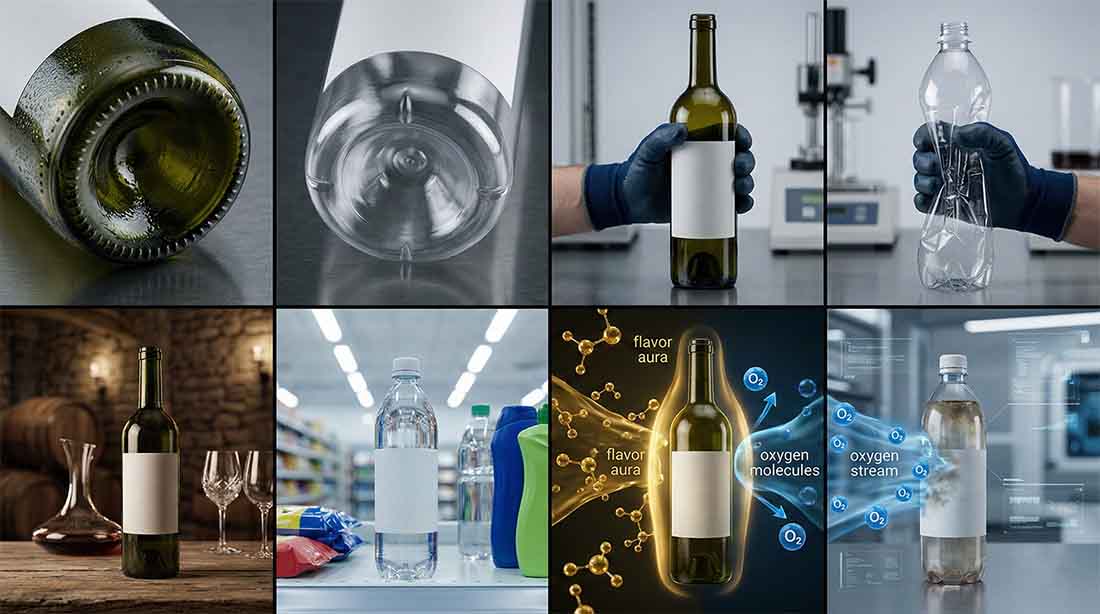
Choosing between glass and plastic (PET) for your wine isn’t just about saving on shipping costs. It’s really about what happens to the wine inside the bottle over time. While plastic packaging has improved, traditional glass is still the best way to keep your wine tasting exactly how the winemaker intended.
Let’s look at the facts about how these materials affect flavor, and what you should consider before placing your next bulk order.
TL;DR: Key Takeaways
· No chemical taste
Glass is completely natural. It won’t leak any weird chemicals or plastic flavors into your wine.
· Blocks air better
Glass stops oxygen from getting in. Plastic breathes a little bit, which makes wine go bad faster.
· Made for aging
Put wine in plastic if people will drink it within a few months. Use glass if you want it to last for years.
· Premium feel
Customers still expect good wine to come in a heavy, nice-looking glass bottle.
Why Material Matters for Wine Flavor
After you bottle your wine, three things can ruin its taste: air, light, and the packaging material itself. Here is how glass and plastic handle these threats.
Oxygen Transmission Rate (OTR)?
Oxygen Transmission Rate (OTR) is just an industry term for “how much air sneaks through the bottle.” For wine, you want this number to be basically zero. Glass bottles hit that zero mark. The only air that touches the wine comes through the cork or cap. According to testing standards by groups like ASTM International (ASTM D3985), glass is a true barrier.
Plastic (PET) bottles are different. Even the good ones have tiny pores. Over time, oxygen gets through the plastic and mixes with the wine. This makes the wine taste flat and turn brown. If you’re selling wine that sits on a shelf for more than a few months, you need high-quality glass bottle
Keeping the Wine Pure
Glass is made from simple stuff like sand and limestone. The U.S. Food and Drug Administration (FDA) calls it “Generally Recognized As Safe.” It doesn’t need any chemical additives, so it never reacts with the acid in the wine.
With plastic, there is a small risk. Sometimes the plastic can absorb the good smells from the wine. In warm weather, trace chemicals from the plastic might even mix into the drink. Glass completely avoids this problem.
Looking at the Numbers: Glass vs Plastic
Let’s compare how glass and PET plastic actually perform. These numbers directly affect how long you can store your wine.
| Feature | Standard Glass Bottle | PET Plastic Bottle | What this means for you |
| Air leakage (OTR) | ~0.00 cc/m²/day | 10.0 – 20.0 cc/m²/day | Plastic is only for fast-selling, drink-now wines. |
| Shelf Life | 10+ Years (Years) | 6 to 12 Months (Months) | Glass is a must for aging and premium brands. |
| Recycling | 100% endless | Gets worse each time | The EPA confirms glass can be recycled forever without losing quality. |
| Weight | 400g – 900g | 50g – 80g | Plastic saves shipping money, but glass sells for a higher retail price. |
While plastic is much lighter and cheaper to ship, it cuts your wine’s shelf life down to months. For serious wine distribution, following guidelines from groups like the International Organisation of Vine and Wine (OIV), glass is the safest bet to protect your product during long shipping routes.
A Quick B2B Comparison
Here is a simple breakdown to help you decide which material fits your current project.
| What you care about | Glass Bottles | Plastic (PET) |
| Flavor Protection | Perfect | Drops over time |
| UV Block | Great (if using green/amber glass) | Needs added chemicals |
| Custom Shapes | Very easy | ordinary |
| Customer View | High-end | Cheap |
| Shipping | Heavy, needs safe packing | Light, won’t break easily |
If you want your wine to stand out on the shelf, glass gives you more options. You can check out our Glass bottle products page to see how a custom shape can boost your brand.
Buyer’s Checklist
Before you buy a whole container of empty bottles, run through this quick list:
How long will the wine sit?
If it’s more than 6 months, pick glass.
Does light hurt your wine?
Ask for dark glass (like Antique Green) to block the sun.
What caps are you using?
Make sure the bottle neck is made perfectly for your corks or screw caps.
How is it packed?
Ensure your factory uses strong cardboard dividers so bottles don’t smash on the ship.
How Valiant Glass Protects Your Bottles
As a factory that exports worldwide, we know that one broken bottle can ruin a whole box. We don’t just make glass; we make sure it gets to you safely.
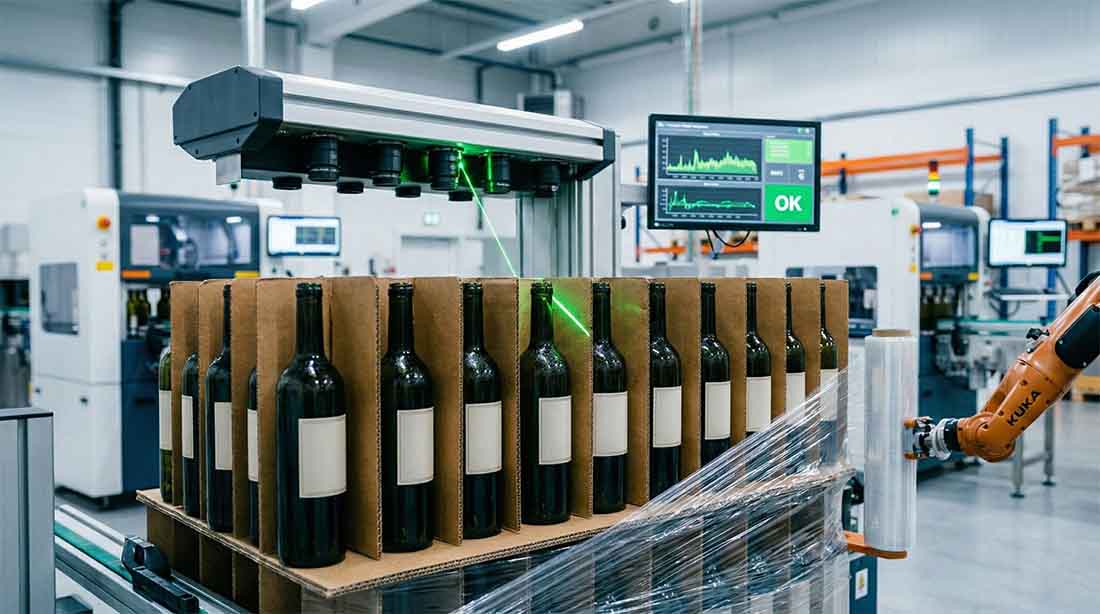
On our production line, we use smart cameras to check every single bottle for tiny cracks or bad necks. Our INTERNAL:QC team also does pressure tests to make sure the bottles can handle your filling machines without bursting.
When it’s time to ship, we load them onto strong pallets, put thick cardboard between the layers, and wrap them tight.
FAQ
1. Does wine really taste better in glass?
Yes. Glass doesn’t breathe or leak chemicals. It keeps the wine exactly how the winemaker made it. Plastic can slowly change the taste over time.
2. How long is wine good for in a plastic bottle?
Usually 6 to 12 months. After that, too much air gets through the plastic, and the wine starts to taste old and flat.
3. Is glass eco-friendly?
Very. You can melt glass down and make new bottles forever without losing quality. The Glass Packaging Institute points out that using recycled glass saves a ton of energy at the factory.
4. Why are wine bottles usually green?
Dark green glass acts like sunglasses for the wine. It stops UV light from hitting the liquid, which can cause the wine to smell like sulfur (like rotten eggs).
5. What is the MOQ (Minimum Order Quantity) for glass wine bottles?
If you want a custom shape, factories usually ask for 10,000 to 50,000 pieces to cover the mold costs. If you buy standard shapes we already make, the MOQ is much lower.
Let’s Talk About Your Next Order
If you want your wine to taste right and look great on the shelf, glass is the obvious choice. But finding a factory that delivers on time and without breakages is the real challenge.
At Valiant Glass, we make buying wholesale bottles simple:
Fair Prices:
Good rates on standard bottles and cheap setup fees for custom designs.
Custom Look:
We can frost, print, or label your bottles so they are ready to go.
Safe Shipping:
We pack everything specifically for rough ocean freight.