

Introduction: The Global Revival of Glass in Ketchup Packaging
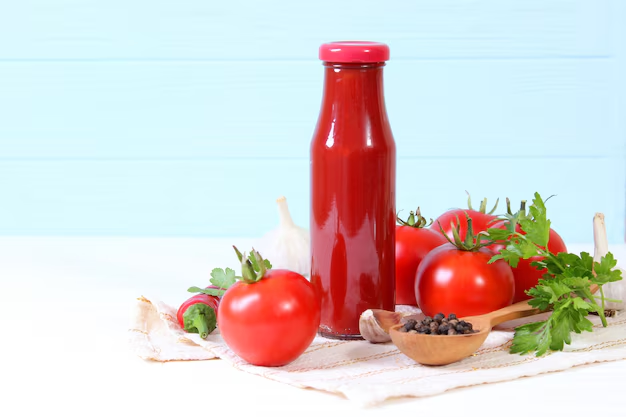
Today’s rapidly changing food and beverage market packaging has become more than only about protecting your product. It’s about sustainability branding, brand recognition, and overall consumers’ satisfaction. In the world of condiments, ketchup in glass bottles packaging is now an increasingly popular trend, expressing the past as well as the modern-day environmentally responsible practices.
At one time the most common form of ketchup Glass bottles were lost to plastic by the turn of the 20th century due to the ease of use. But, over the past few decades, consumers’ increased awareness of environmental concerns, the desire for superior experiences and pressure from regulators to stop single-use plastics has led to the return of the glass bottles of ketchup into the forefront of attention.
In the case of Shandong Valiant Glass Product Co., Ltd. (Valiant Glass), this revival offers both a chance to grow business and a call to action. Since the company’s inception on the 14th of July the year 2014 Valiant Glass is developed into one of the top Chinese manufacturers of sustainable, high-quality glass containers. The company partners with world-class companies in the food and beverage industry in providing packaging solutions that are practical attractive, appealing to the eye, as well as environmentally sustainable.
This feature in depth explains the reasons why the ketchup bottle in glass packaging is making an impressive comeback as well as what that can mean for the food sector, and the way that producers such as Valiant Glass are creating the future of eco-friendly packaging.
Why Glass is Returning as the Preferred Choice
The revival of Ketchup being used in glass bottle packaging is not an accident. It is triggered by a mix of psychological, environmental and commercial reasons.
Purity and Food Safety
The glass is chemically impervious that means it is not in contact with the acidic components of ketchup like vinegar or tomatoes. This means that the flavor quality remains true, with no any risk of contamination. In contrast to plastic, which could let microplastics out or absorb aromas in time, glass ketchup bottles ensure their purity.
Premium Image and Consumer Perception
Glass is a symbol of tradition, quality as well as authenticity. Consumer surveys show that 68% of those who responded said they associate glass containers with healthier and organic products. This perception for ketchup is reflected in higher willingness to purchase and higher brand loyalties.
Environmental Sustainability
The most powerful driver may be sustainability. Glass is recyclable 100% and is able to be reprocessed endlessly without sacrificing quality. Every ton of recycled glass that is used for production reduces 315 kilograms in CO2 emission and decreases the the use of raw materials by 1.2 tonnes. In the face of climate change and plastic waste being the main worldwide, glass ketchup bottles are a green alternative.
Government Regulations
Global regulations on packaging are driving the pace of change.
- European Union directives are aimed at reducing single-use plastics.
- United States states similar to California as well as New York are pushing extended producer accountability (EPR) programs.
- China has been moving towards an eco-friendly economy by encouraging recycled materials and green products.
Nostalgia and Emotional Connection
Consumers also love the experience of making use of ketchup that is in glass bottles packaging. The feel of the bottle, the volume of the bottle and the traditional “tap” on the bottom bring back memories of comfort and tradition.
All of these elements create an impressive argument in favor of glass’s return as ketchup’s preferred packaging.
A Historical Perspective on Ketchup Packaging
The story of packaging for ketchup is a reflection of wider changes in technology and culture.
Glass Dominance in the 19th Century
As ketchup was introduced to mass production during the 1800s in the 1800s, glass was the most natural option. Glass was a trusted choice for cleanliness, transparency and long-lasting.
Plastic Revolution in the Mid-20th Century
Through in the 1950s the invention of plastic bottles changed the way packaging was made. Squeeze bottles made of plastic were lighter than glass, more convenient to carry, and more convenient for customers. The innovation replaced glass from many stores.
21st Century Reversal
The 2000s saw concerns concerning food waste, plastics and authenticity reignited enthusiasm for the glass bottles for ketchup. Organic, premium, and established brands are reintroducing glass bottles as part of the “return to authenticity” strategy.
Timeline of Evolution
- 1800s-1950s Glass is the normal.
- 1960s-1990s In the 1960s and 1990s, plastic dominates due to its ease of use.
- 2000s-Today The glass industry is returning in the form of sustainable packaging and premium quality.
What we’re seeing now isn’t a trend it’s an actual revival of the past–an aligning of the past and modern-day sustainable practices.
Global Market Trends Shaping Glass Bottle Packaging
The market for ketchup is estimated to be around $20-$20 billion while packaging forms the core of brands’ strategies.
Premiumization of Condiments
The consumer is treating condiments the same way as premium wines or craft beer. They are looking for products that have authentic story, usually presented in glasses ketchup bottles to indicate good quality.
E-commerce Growth
Searches on the internet in the search for “ketchup in glass bottle“ are increasing in frequency. In Amazon as well as Alibaba Glass-packaged condiments typically get better reviews and more numbers of sales than plastic versions.
Regulatory Drivers
- Europe: Strict recycling mandates are boosting glass adoption.
- North America: Companies are under pressure to cut their carbon footprints.
- Asia-Pacific Asia-Pacific: Growing middle class is demanding environmentally friendly high-end goods.
Consumer Awareness
Research shows that 73% of customers prefer glass when they have the option. Millennials along with Gen Z have a significant role when it comes to this, focusing on sustainable purchasing in buying purchases.
Market dynamics like these make glass bottles of ketchup not a small-scale fashion, but an international trend.
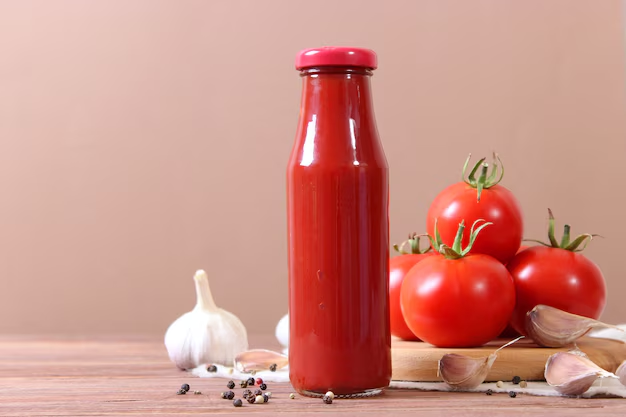
Valiant Glass – Innovating in Sustainable Packaging
Shandong Valiant Glass Product Co., Ltd. is in the forefront in supporting international companies in the transformation towards environmentally sustainable packaging.
Custom Bottle Design
Valiant Glass offers ergonomic designs that are inspired by heritage and shapes. new closures that are specifically designed to the needs of ketchup makers.
Advanced Manufacturing
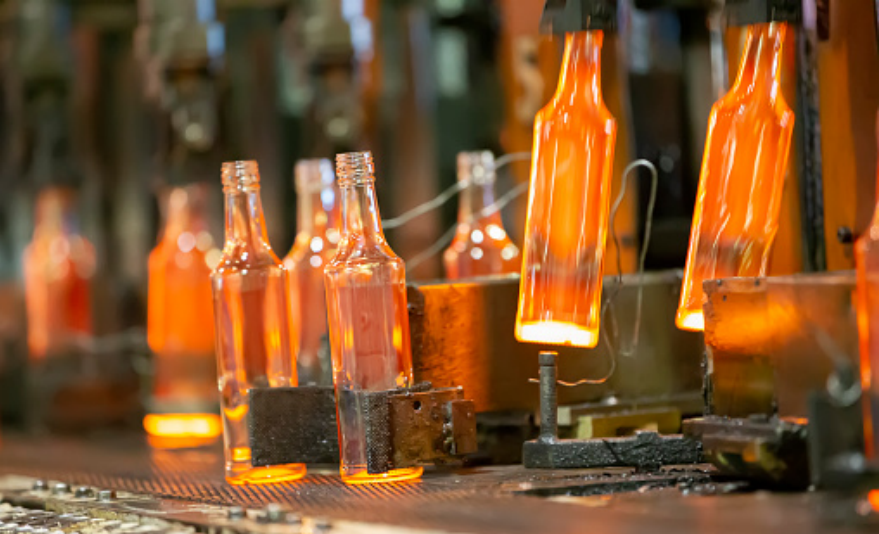
Modern furnaces, automatic inspection equipment, and rigorous inspections of quality, Valiant Glass ensures durability and consistency with every glass bottle of ketchup.
Decoration and Branding
- Embossed to create brand-name recognition.
- Screen printing using eco-friendly inks.
- Custom-designed labeling for a professional visual identity.
Sustainability Commitment
Valiant Glass maximizes recycled glass (cullet) when it comes to manufacturing. It reduces carbon emission, energy consumption and the consumption of raw materials.
Producing ketchup together with Valiant Glass is reaching sustainability targets without losing the quality of their products or branding.
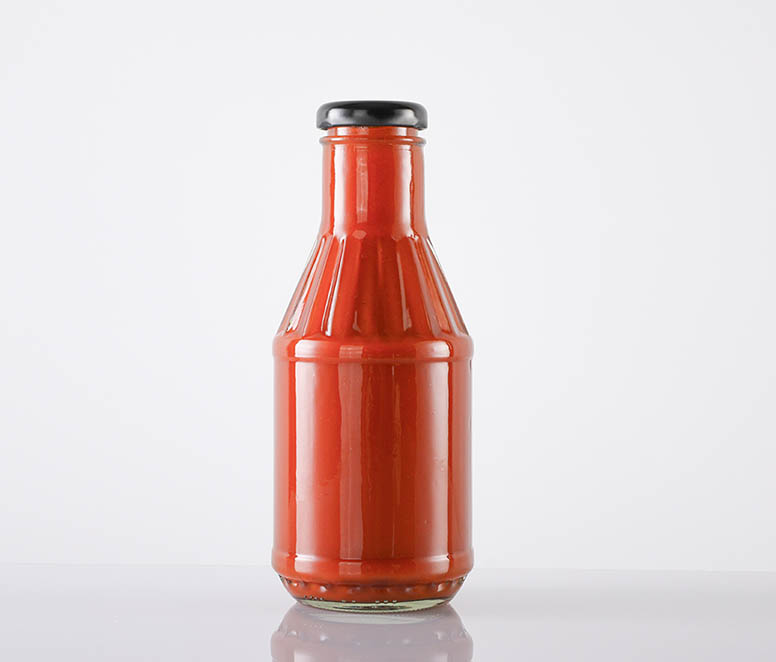
Case Studies – Ketchup Brands Embracing Glass
Global Heritage Brands
Global ketchup manufacturers have brought back traditional glass bottles in order to tap into the nostalgic feelings, and often price the bottles as premium products.
Artisan and Organic Brands
Makers of farm-to-table ketchup rely almost entirely on glass. They are a green company that is able to provide authenticity as well as sustainable packaging.
Foodservice Industry
Restaurants that are more expensive prefer glass bottles placed on tables to emphasize quality and authenticity of the dining service.
E-commerce Specialty Sellers
The online boutique brands of ketchup employ glasses ketchup bottles to distinguish themselves from the online market place.
An example: A specialized organic ketchup company located in California has reported an increase of 40% in sales following the switch from plastic bottles to glass with consumers praising the sustainability of the brand as well as the premium quality.
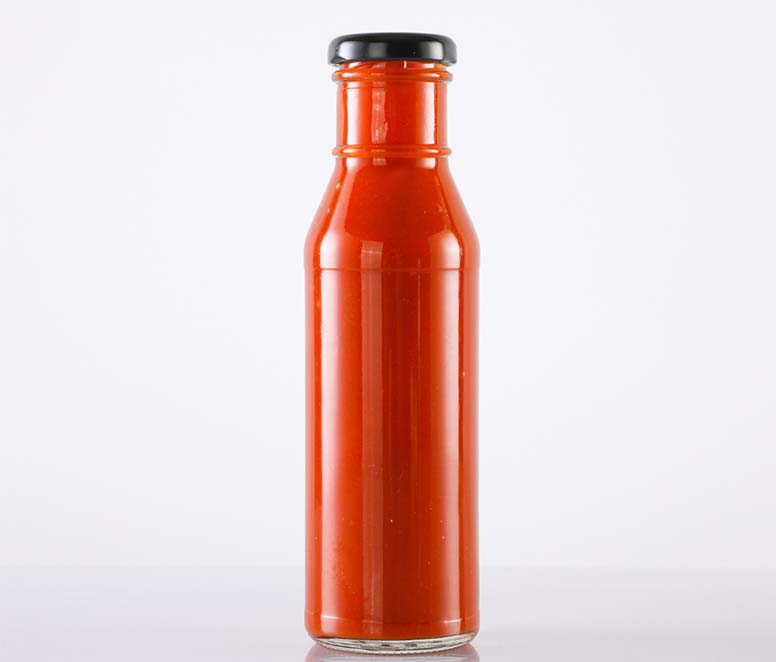
Consumer Psychology Behind Glass Preference
What is the reason people choose the ketchup bottle in glass packaging in spite of the advantages of plastic?
Perceived Quality
Glass, as a material for packaging, is thought to preserve the flavor of food and guarantees purity.
Emotional Attachment
The experience of touch and the tradition of glass bottles can create feelings of connection.
Sustainability Signaling
Glass bottles are a sign of eco-consciousness. Many people find that buying glass bottles of ketchup can help make personal decisions that are in line in the context of sustainable development in the world.
Health Concerns
A growing concern about microplastics as well as chemical leaching from plastics has led consumers to choose safer alternatives.
In terms of psychologically, glass ketchup bottles fulfill both practical (safety sustainable) as well as emotional (tradition high-end feel) demands.
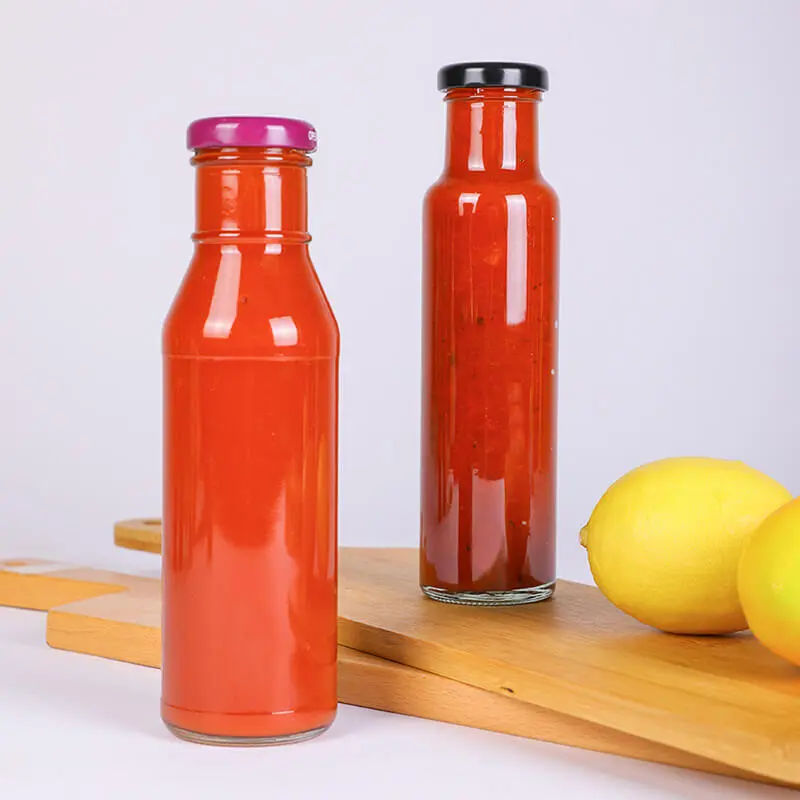
Regional Perspectives on Ketchup in Glass Bottle
Europe
Glass is the most popular ketchup category in the premium categories which is supported by EU recycling requirements and a strong awareness of the environment by consumers.
North America
The popularity of glass is increasing in organic and premium brands, but plastic is common in the mass market.
Asia-Pacific
Demand from the middle class for high-end eco-friendly packaging is driving use of glass bottles for ketchup. China particularly has been pushing the glass recycling industry.
Middle East & Africa
The most expensive imports, especially those imported from Europe is popular with glass packaging. It is a symbol of the highest quality and authenticity.
Regional variations show regional variations. They also show that glass bottles of ketchup aren’t just an exclusive Western trend, they are a an aspect of a worldwide shift in the way we package.
Technology and Innovation in Glass Manufacturing
Modern glass bottle manufacturing blends the traditional with the latest.
Lightweight Glass
Valiant Glass produces lightweight bottles that help reduce shipping costs, but maintain the strength.
Smart Packaging
The integration of QR codes as well as NFC chips allows companies to communicate their product’s origins as well as recipes and the sustainability of their products.
Recycled Content
Certain glass bottles include as much as 90 95% of cullet drastically reducing the impacts on the environment.
The new innovations made the ketchup bottle in glass packaging more useful and eco-friendly than it’s ever been.
Challenges and Opportunities
As the future appears promising, glass ketchup bottles are facing challenges
Weight and Logistics
The weight of glass is higher than that of plastic and can increase transport costs. But, lighter innovations help to reduce the burden.
Breakage Risk
While more fragile than plastic, modern-day tempering glass is much safer.
Recycling Infrastructure
In certain regions the recycling system is not fully developed in certain regions which limits glass’s potential for circularity.
Despite challenges, the opportunities–premium branding, sustainability leadership, and consumer loyalty–make ketchup in glass bottle packaging a high-value choice.
Future Outlook – Where Glass and Ketchup Go Next
In the next ten years, glasses ketchup bottles consolidate their status as an international standard for premium quality.
Premiumization Expands
Even mainstream brands will introduce glass lines to appeal to sustainability-conscious consumers.
Regulatory Push
More stringent plastic bans makes glass a necessity for many countries.
Technological Advances
The light weight glass and the smart packaging can overcome the logistical hurdles.
Cultural Symbolism
Glass is a sign of authenticity that ties the ketchup brand to quality and tradition.
The future of the ketchup bottle in glass packaging isn’t only looking promising, it’s inevitable.
Conclusion: Valiant Glass Leading the Transformation
The return of the ketchup bottle in glass packaging isn’t just simply a trend that is passing. This is the result of a more profound change in the way brands, consumers as well as governments view quality, sustainability, authenticity and the quality.
In the case of Shandong Valiant Glass Product Co., Ltd. The shift in focus is precisely with its purpose. Through the delivery of unique, flexible and environmentally-friendly glass bottles for ketchup, Valiant Glass helps brands tell their story, gain confidence among consumers, and create the healthier, sustainable future.
From family memories at the dining table to the global sustainability targets, ketchup in glass bottle packaging has evolved into an interlude between tradition and modern. With companies such as Valiant Glass leading technological advancement, the world is experiencing not only a packaging shift, but also a culture as well as environmental change.