

In today’s increasingly mindful and eco-conscious society, the decisions that we make regarding the substances that are used in food and drink packaging are more important more than they ever have. The public is more conscious of the fact that packaging does not just impact the quality and safety of their food but also their impact it has on the environment. The most frequently discussed packaging alternatives include the plastic bottle and glass bottles made of food grade–each having distinctive characteristics that impact everything from the well-being of consumers to environmental sustainability as well as the perception of a brand.
Although plastic bottles might appear more practical due to their lightness and low cost, increasing concern over chemical leaching microplastic contamination and their ecological footprint for the long term have thrown a doubt over their usage. On the other hand glass bottles made from food grade are emerging as the choice of choice for businesses and individuals who want to adopt sustainable, safer methods. Glass is a safe recyclable, inert, and recyclable alternative that can enhance both the taste experience as well as the credibility of a brand.
This complete guide explains the practical, scientific, and ethical issues of making the decision between glass and plastic providing insight on which one is better suited to the healthier living. We focus our attention on the top-quality products offered by Valiant Glass, an industry leader in customized Glass packaging that enhance the product’s safety as well as brand value in the global market.
What Are Food-Grade Glass Bottles?
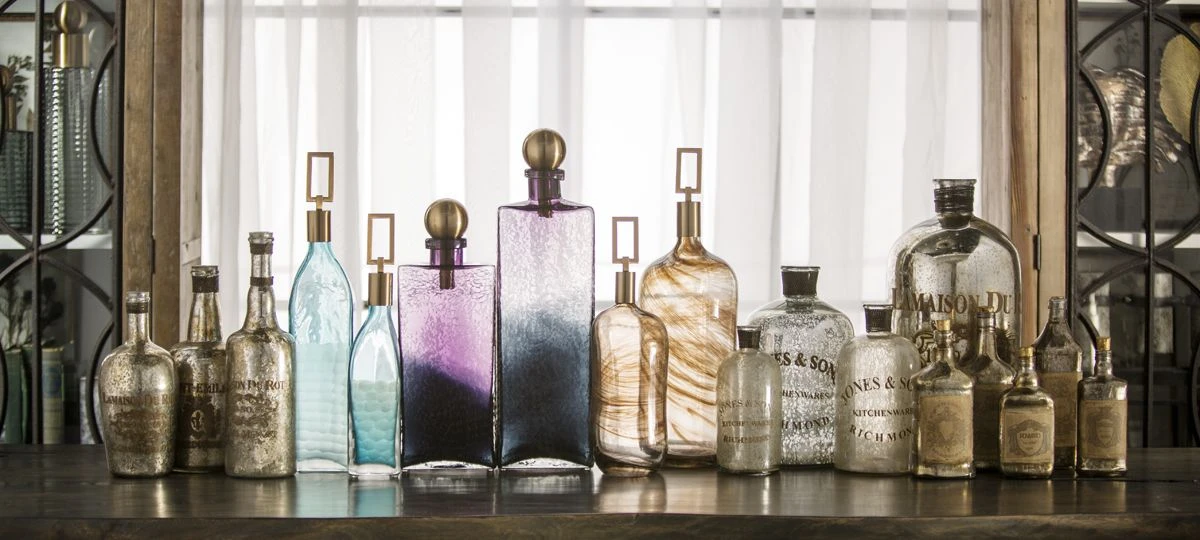
Glass bottles that are food-grade are specially designed containers made from carefully chosen and non-toxic raw materials. They are deemed safe for direct contact with any kind of drinks and foods. These aren’t typical glass items, they are a result of stringent manufacturing processes as well as advanced technological controls and international food safety compliance. Every food-grade glass bottle is subject to thorough testing, including the screening of heavy metals, a stress-resistance assessment as well as chemical inertness tests in order to ensure that there is no risk of contamination or the transfer of harmful substances within the contents.
One of the main characteristic of food-grade glass is the chemical impermanence. This means that the glass is stable and doesn’t interfere with the substances it consists of regardless of temperature, time or acidity. In contrast to plastic containers that could release microplastics and bisphenols (like BPA), or other harmful additives in time, particularly when heated, glass maintains its integrity and helps keep the beverage or food at its pure quality. Glass is not able to retain flavors or odors which makes it perfect for the preservation of delicate and complex drinks like spirits, wines or even the artisanal juices.
Additionally, food-grade glass totally free of the common harmful chemicals found in many plastics, like the phthalates, polyvinyl chloride (PVC), and polycarbonate compound. This makes it an extremely safe packaging material for people with allergies or chemical sensitivities and for companies that are dedicated to providing safe and high-quality products.

Apart from the advantages for health Food-grade glass also offers advantages in terms of hygiene and reuse. The bottles are able to be subjected to high-temperature sterilization as well as dishes washing cycles without breaking or warping or releasing harmful substances. This makes them an affordable and long-term solution for commercial and household producers. Recyclability and sustainability increase their value and align with the growing demand of consumers for green alternatives.
Food-grade glass bottles can do more than just store an item in its place. They also protect the quality of the product as well as preserve its integrity and ensure that each drink or bite is as enjoyable and safe as you would like it to be. They can be used to preserve premium wines or packaging healthy drinks, food-grade glass bottles provide unbeatable peace of mind.
Key Features of Food-Grade Glass:
- Chemically inert guarantees purity and safety by ensuring that it does not react with stored substances.
- Free of Harmful Additives Naturally free from BPA, BPS, phthalates and other endocrine disruptors.
- Thermo- and UV-resistant is able to withstand the sun’s heat without degrading or releasing toxic chemicals.
- Sterilisable and Reusable can be used to sterilize and reuse without damaging the structural integrity.
- Endlessly recyclable Keeps its original quality by endless cycles of recycling.
If you are looking to store premium spirits or juices made at home food-grade glass bottles offer peace of mind, as they protect flavors, nutrients, and health.
Health Risks of Plastic Bottles
Although plastic bottles are light and inexpensive, increasing evidence suggests serious environmental and health issues that are associated with their use.
1. Chemical Leaching
Plastics typically contain a variety of chemical additives, such as BPA (bisphenol A), BPS (bisphenol S), phthalates and antimony that are utilized to enhance flexibility and durability as well as appearance. But, these chemicals are not chemically inert, and may leach into liquids contained in plastic containers over time, particularly after exposure to high temperatures or direct sunlight, acidic drinks or extended storage periods. This is of particular concern since the majority of these substances are categorized as endocrine-disrupting substances (EDCs). EDCs affect the hormonal system of the body and are associated with numerous health problems such as hormone imbalances, reproductive problems like reduced fertility or developmental issues for infants, as well in long-term health risks such as obesity, metabolic disorders, diabetes, and some cancers, especially ones that are hormone-sensitive. The repeated exposure to even the smallest amounts of EDCs may cause cumulative harm, particularly in populations that are vulnerable, such as pregnant women and children. As awareness and research into the dangers continue to increase the health consequences of plastic bottles are becoming more threatening, causing manufacturers and consumers to search for more safe, non-toxic alternatives like food-grade glass.
2. Microplastic Contamination
Repetition of use and exposure to physical stress, such as the bending, squeeze or heating–can cause plastic materials to break down and split into extremely small particles referred to by the name of microplastics. These tiny fragments, which are often unnoticeable by the naked eyes are found in every living thing across Earth and have made their way into to the food chain in shocking numbers. According to an World Health Organization report, around 90% of water bottles samples examined in various studies have microplastic particles. These particles aren’t just an environmental threat but also pose new dangers to health for humans.
When consumed or ingested through food, bottled water or air, microplastics are able to pass through an intestinal wall, reach the bloodstream and move into vital organs, such as kidneys, liver and even the brain. Researchers have expressed their concern over the potential for these small microplastic particles to trigger inflammation and interfere with cell function, or even carry toxic chemicals on their surfaces such as pesticides, heavy metals and endocrine disruptors. These substances can be consumed through the body. Although the long-term health impacts of microplastics remain being studied, preliminary findings suggest that they could contribute to inflammation, oxidative stress and metabolic diseases. There is a presence of microplastics within human tissues has been established in numerous studies, prompting urgent questions about their impact in the course of time.
This nefarious risk further emphasizes the need to switch to safe and non-toxic packaging options like food-grade glass, which is chemically stable and doesn’t release dangerous particles in the food items it contains. For consumers who are concerned about their health and for eco-friendly brands alike The evidence continues to support a convincing argument to replace the plastic containers with sustainable and bio inert products.
3. Limited Reusability and Fast Degradation
Plastic bottles aren’t designed to withstand the rigors of long-term use. With time even with minimal handling, they can produce scratches, scuffs and micro-abrasions on their surface. These tiny crevices can be ideal for the growth of microorganisms and bacteria which could compromise the cleanliness and security of the contents. Contrary to food-grade glass that keeps its integrity despite countless washing cycles, the plastic starts to degrade after several washes or use. Repetition of washing, especially with hot water, or exposure to UV radiation from sunlight can speed up this degrading process. This causes the release of tiny plastic particles as well as residual chemical compounds that could leak into the bottle’s contents. The structural weakness of the bottle is not only impacts its durability, but also makes it potentially a health risk. This is particularly true in hot environments like when bottles are left in a car, as temperatures accelerate the degrading of polymers, and also increases the possibility for chemical migration. So plastic bottles are typically not considered safe for regular use, and can cause unneeded waste when disposed of prematurely. Making the choice to use a more durable and inert material such as food-grade glass reduces the risk while ensuring better hygiene and the longevity of products.
4. Environmental Fallout
Beyond health concerns, plastic bottles block garbage dumps, pollute oceans and pose a threat to wildlife. More than 8 million tonnes of plastic are deposited in oceans every year, causing an environmental crisis that is global in scope.
Benefits of Food-Grade Glass Bottles for Health and Sustainability
Glass bottles are beneficial not just your health, but also the environment as well as the overall experience for consumers.
- preserves aroma and taste Glass isn’t able to take in or let out substances, which makes it ideal for drinks that have distinct flavors, such as whiskey, wine or craft sodas.
- Free of harmful chemicals Glass is naturally devoid of the harmful chemicals that are common in plastics.
- long-term usability High durability means that glass bottles are able to be reused and sterilized many times without losing the quality.
- Environmentally sustainable Glass is among only a few packing materials 100% recyclable with no quality loss.
Comparison Table Comparative Table: Plastic and. Glass Food-Grade Bottles
| Feature | Plastic Bottles | Food-Grade Glass Bottles |
|---|---|---|
| Chemical Leaching | The temperature can be very high (especially in the case of heated) | None |
| Taste Preservation | Can alter taste | It keeps its original flavor |
| Recyclability | Limited (downcycling common) | 100% recyclable for a lifetime |
| Durability Over Time | Degrades over time | Reusable and long-lasting |
| Environmental Impact | Microplastics, high pollution | Eco-friendly, no microplastics |
| Health Safety | Contain synthetic chemicals | Food-safe and non-toxic |
| Reusability | Limited reuse due to degradation | Created for continuous use |
| Premium Appeal | It is not suitable for luxury branding. | Perfect for packaging products of premium quality |
Real-World Applications in the Beverage Industry
Glass bottles are associated with top quality in the world of beverages. From aged spirits to artisanal wines and other artisanal drinks glass increases the perceived value of a product and enhances shelf appearance and assures consumers of product authenticity.
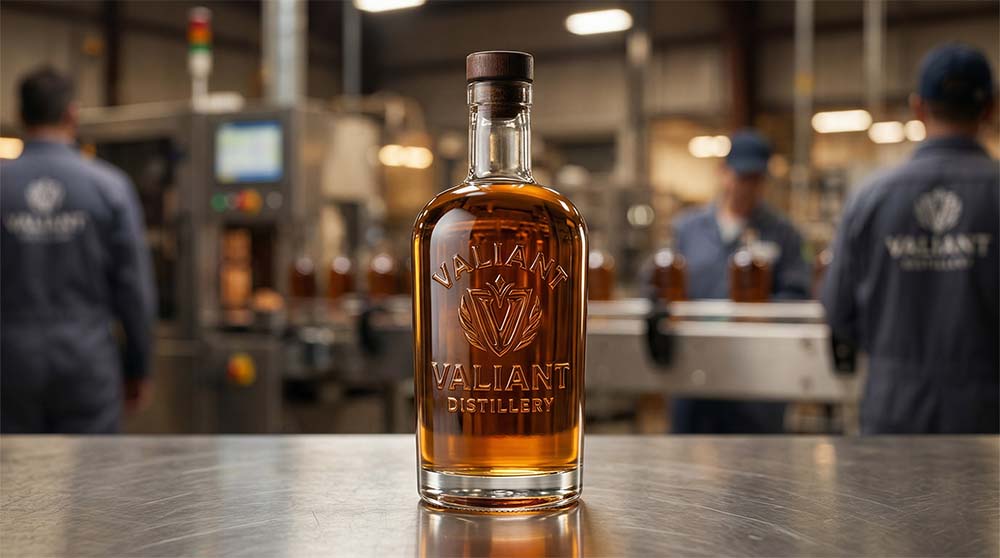
Valiant Glass Valiant Glass, we offer a variety of custom glass bottle solutions that are customized to fit your brand’s image:
Spirits Bottles:
Wine Bottles:
Glass containers aren’t just used to serve as containers for drinks, they also convey quality as well as heritage and love.
Why Global Brands Trust Valiant Glass
Valiant Glass is an all-encompassing partner for companies looking for reliability, innovation and sustainable glass packaging. We’ve proudly delivered more than one billion bottles to customers in more than 150 countries and helped brands create designs that resonate with consumers.
Integrated Manufacturing Excellence
We operate and own ourselves mold designs and manufacturing facilities. This vertical integration allows:
- Unbeatable customization options
- Speedier production times
- Consistent quality control
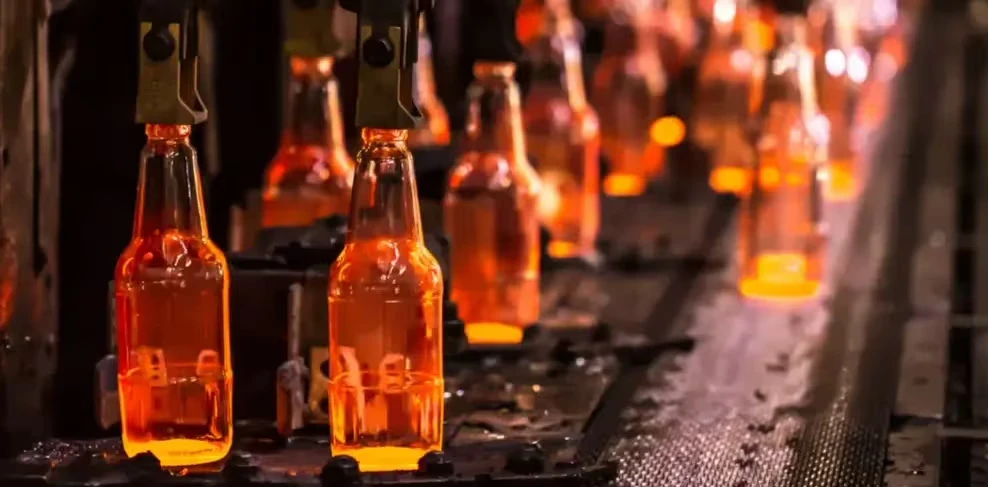
Cutting-Edge Glass Factories
Our facilities utilize the most recent technology for molds, glass melts along with quality assurance. We are able to produce large runs, as well as small batches that are tailored to specific market segments.
Bespoke Decoration Services
Valiant Glass offers diverse decoration methods to help your products stand out
- Embossing, engraving and logo molding
- Multi-colored effect of frost and spraying
- Decals and screen printing that are precise
Each bottle is a distinctive design tool that is designed to represent your brand’s values and aesthetics.
Safety and Quality Compliance
We conduct multiple-stage quality inspections and comply with the international standards for food safety. Our glass bottles provide uncompromising strength and purity that give you and your clients total confidence.
Our Deep Commitment to Sustainability
Sustainability is a key component of our business model. Valiant Glass has a commitment to sustainability. Valiant Glass, we go beyond compliance and actively support our planet’s health:
- Making use of solar energy and production equipment that is energy efficient
- Utilizing closed loop Recycling systems to reduce the amount of waste
- Prioritizing green raw materials
If you choose glass, you are joining an increasing number of companies who are committed to environmental sustainability and the long-term integrity of their products.
Conclusion: Choose Wisely, Choose Valiant Glass
When comparing plastic bottles vs. glass bottles made from food grade Glass is clearly the best alternative for the safety of your family, health and flavor preservation as well as the environment. If you’re a consumer looking for safe storage or a beverage manufacturer seeking to improve your product range glass is the most efficient and sustainable option.
With a global presence that is backed by top-of-the-line manufacturing and a focus on customer satisfaction, Valiant Glass is the perfect partner to help bring your ideas to reality. Explore our wide selection of spirits bottles and wine bottles today.
Choose health. Choose sustainability. Choose distinction. Choose Valiant Glass.
If you’re looking for more knowledge of glass bottles, check out the following articles:
– Top 4 Drinking Glass Manufacturers in the U.S
– Top 10 Glass Bottle Manufacturing Companies in India(Latest Updates)
– Top 10 Glass Bottle Manufacturers In The USA
– Why Choose Apple Juice in Small Glass Bottles? A Flavorful Experience
Consult Your Valiant Glass Bottles & Packaging Experts
We help you avoid the pitfalls to deliver the quality and value your glass bottle and jar need, on-time and on-budget.