

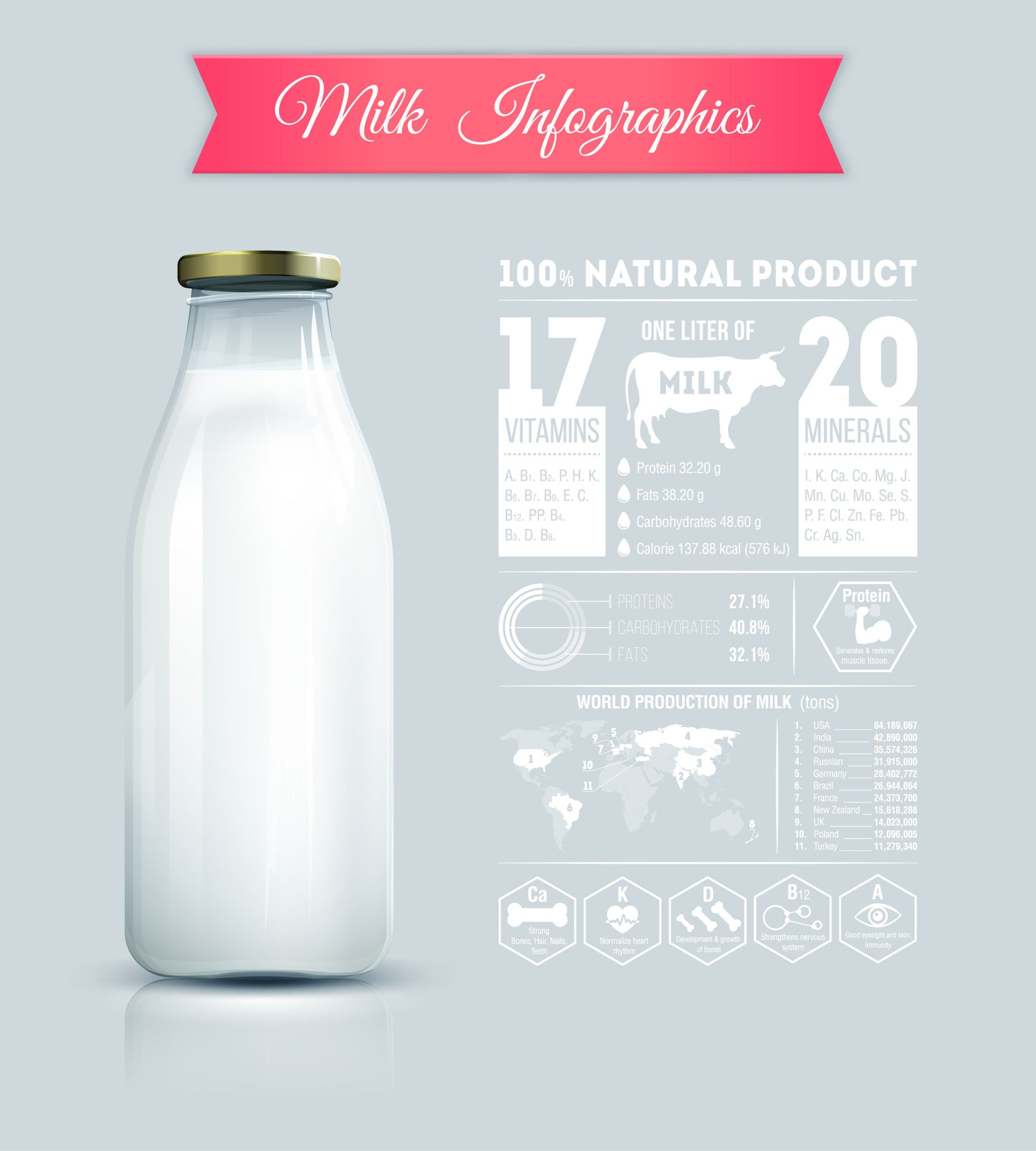
In the rapidly evolving dairy sector, packaging is no longer just a vessel; it is a strategic statement. While the mid-20th century saw a mass migration to plastic for its low cost, 2025 marks a decisive return to the gold standard: glass milk bottles.
But this isn’t just about nostalgia. For modern dairy producers, local creameries, and premium beverage brands, the shift to glass is backed by hard data, consumer psychology, and undeniable environmental necessity.
At Vitglassbottle, we have analyzed the market shifts and supply chain dynamics to bring you this comprehensive guide on why glass is the future of premium dairy.
1. The Science of Flavor: Why Glass Tastes Better
It is a common consumer sentiment: “Milk tastes colder and crisper in glass.” The reason is rooted in chemistry, not just perception.
According to research published in the Journal of Dairy Science, light oxidation acts faster than many realize. The study indicates that milk exposed to translucent plastic packaging can undergo flavor degradation and nutrient loss (specifically Riboflavin/Vitamin B2) in as little as two hours under standard retail lighting.
Glass offers superior protection:
Impermeable Barrier: Unlike HDPE plastic, which is gas-permeable, glass creates a hermetic seal that prevents oxygen from entering and interacting with milk fats.
Chemically Inert: As noted by the Glass Packaging Institute (GPI), glass is the only widely used packaging material considered “GRAS” (Generally Recognized As Safe) by the FDA. It does not leach organic compounds into the product, preserving the “farm-fresh” flavor profile.
The Takeaway: Your customers aren’t just buying milk; they are buying the preservation of its original flavor profile.
2. The Economics of “Premiumization”
Why are brands willing to pay more for wholesale glass milk bottles? Because the return on investment (ROI) comes directly from the consumer’s wallet.
A definitive report by McKinsey & Company on consumer sentiment reveals that over 60% of shoppers value sustainable packaging when making purchasing decisions and are willing to pay a premium for it.
The Value of “Haptic Transference”
In marketing psychology, the physical weight of the package influences the perception of the product inside.
Perceived Value: The weight and clarity of glass signal “luxury” to the brain before the product is even tasted.
Differentiation: In a sea of identical plastic jugs, a custom-molded glass bottle acts as a visual disruptor on the shelf.
3. Sustainability: The Truth About the Circular Economy
The narrative around plastic recycling is fracturing. According to data from the U.S. Environmental Protection Agency (EPA), standard plastic recycling rates have historically hovered below 10%, with the majority ending up in landfills.
Glass, however, is the hero of the Circular Economy.
Infinite Recyclability: Glass can be recycled endlessly without any loss in purity or quality. Plastic, by contrast, “downcycles” into lower-quality materials.
The Refill Model: A study highlights that a single refillable glass milk bottle can be washed and reused approximately 25 to 30 times before recycling. This drastically reduces the carbon footprint per serving compared to single-use containers.
For Dairy Brands: Launching a bottle return program not only reduces waste but increases customer retention. A customer holding empty bottles is psychologically primed to return to your specific brand to swap them.
4. Health & Safety: The Microplastics Concern
Modern consumers are increasingly health-literate. A growing concern in 2025 is the presence of microplastics and endocrine disruptors in the food supply chain.
Many health-conscious parents are proactively switching to glass to avoid potential leaching of chemicals often associated with plastics, such as BPA or Phthalates. By packaging in glass, you offer a “clean label” promise that extends beyond the ingredients list to the package itself.
Conclusion: Future-Proof Your Brand
The data is clear: The global market for glass packaging is growing, driven by a consumer exodus from single-use plastics. Switching to glass milk bottles is an investment in your brand’s equity. It signals to your customers that you care about taste, health, and the planet.
Are you ready to elevate your product? At Vitglassbottle, we supply premium, durable, and customizable glass packaging solutions for the dairy industry.
Browse Our Wholesale Milk Bottle Catalog
References & Data Sources
To ensure transparency and authority, this article cites the following sources:
Journal of Dairy Science: Sensory properties of nonfat milk: Effects of packaging and LED lighting. Read Study
McKinsey & Company: Consumers care about sustainability—and back it up with their wallets. Read Report
U.S. EPA: Facts and Figures about Materials, Waste and Recycling (Plastics). View Data
Glass Packaging Institute: Why Glass? Health and Sustainability Benefits. Learn More
FAQ: Common Questions About Glass Dairy Packaging
Q: Are glass milk bottles more expensive than plastic? A: Upfront, yes. However, if you implement a return-and-reuse model, the cost per use drops significantly. Additionally, the premium shelf price of glass-bottled milk often offsets the packaging cost.
Q: How many times can a glass milk bottle be reused? A: On average, a durable glass milk bottle can be returned, washed, and refilled between 25 to 30 times before it needs to be recycled.
Q: Is glass packaging better for milk shelf life? A: Yes, because glass maintains colder temperatures longer than plastic when removed from the fridge, and its airtight seal prevents spoilage from oxidation better than porous cartons.